
Three Medicare Terms You See All the Time (And What They Mean) Part II
Last month, we shared three Medicare terms that often confuse our clients. This month, we're decoding a few more.
In our 25 years of financial administration, we’ve noticed that people hesitate to ask crucial questions to avoid admitting their confusion.
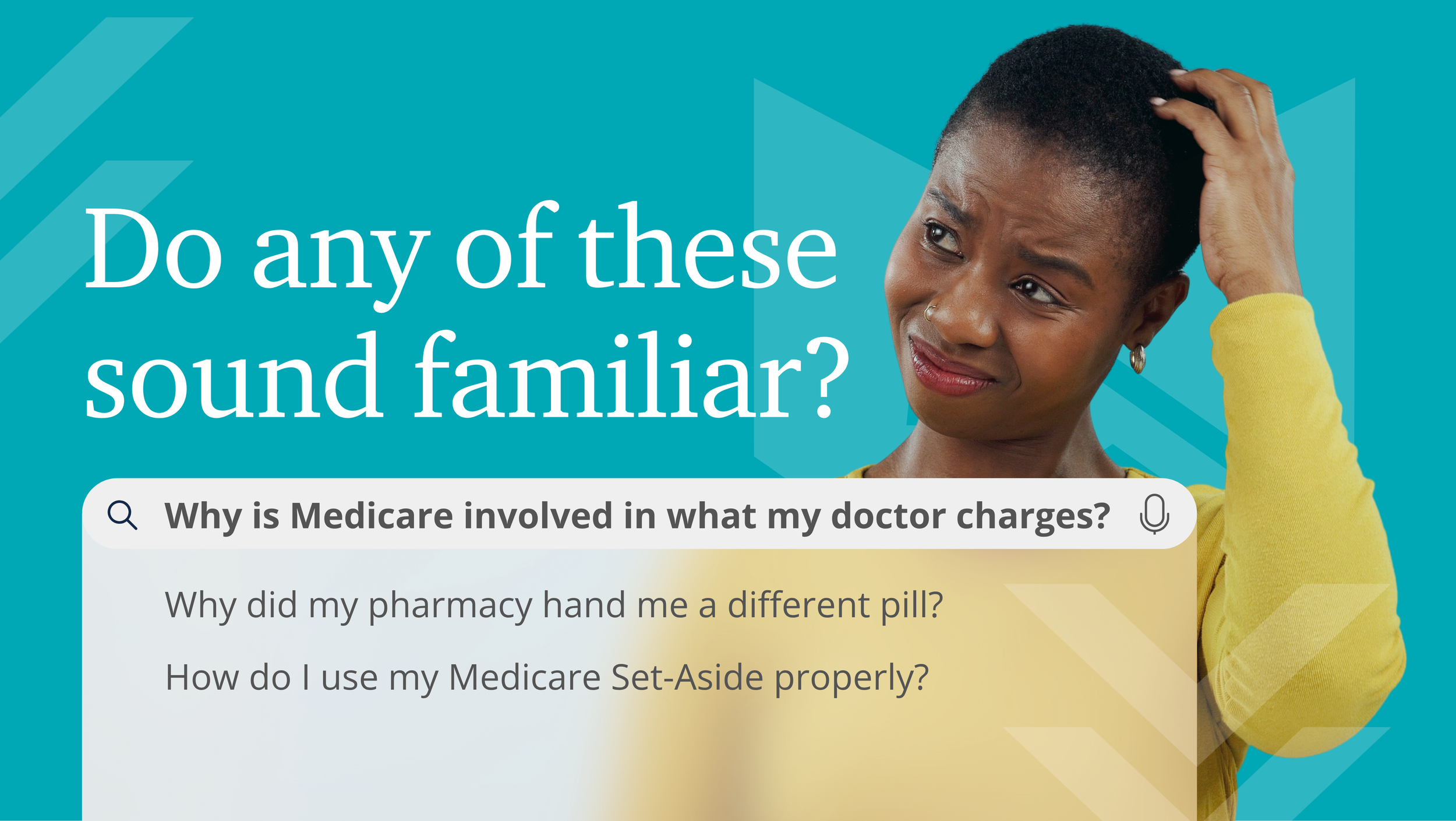
Do any of these sound familiar?
Why is Medicare involved in what my doctor charges?
Why did my pharmacy hand me a different pill?
How do I use my Medicare Set-Aside properly?
If you've ever nodded along on a call only to Google a term afterward, you're in good company.
Medicare isn’t intuitive, and there’s no shame in admitting you didn’t memorize every single term the moment settlement day came.
1. What is an MSA Allocation and when do I get it?
A Medicare Set-Aside Allocation is a detailed document that calculates and sets aside a specific portion of a workers’ compensation settlement to pay for future, injury-related medical treatment.
At settlement, you’ll receive a document showing how Medicare will cover injury-related expenses and what it will cover. Your MSA allocation will lay out what Medicare typically covers, like doctor’s visits and medication, and will note exactly how the funds must be used for compliance.
2. What is a Medicare Fee Schedule?
It’s Medicare’s price list. The Medicare fee schedule is the official list, updated annually, that sets the maximum allowable reimbursement amounts health care providers can charge for treatment. With this schedule, every Medicare provider knows how much they will receive for their services.
If you’ve just received a settlement, the Medicare fee schedule affects how much of the settlement goes back to Medicare, how much you set aside for future care, and how far that money goes.
3. What is Generic Substitution?
Generic substitution is when a pharmacy dispenses a lower-cost, FDA-approved generic drug instead of a more expensive brand-name medication. This substitute will share the same active ingredients, dosage, and strength as your prescribed medication while saving you money. In fact, many Medicare Prescription Drug Plans require or encourage generic substitution.
According to the FDA, generics can cost up to 85% less than their brand-name versions when several generic makers compete.
There's no such thing as a silly Medicare question
If any of these terms were unfamiliar to you, you’re in the right place.
At FFC, we'd much rather hear your "dumb question" today than help you untangle a problem next year. As the oldest professional administrator in the country, we've heard just about every Medicare question there is, and we're always happy to answer yours.
Have a question? Reach out to our team and let’s sort it out together.